
By Yelena Melnichenko
Originally published by Mental Floss
This tip is my favorite because if you wait for your “muse” your whole life will pass before you.
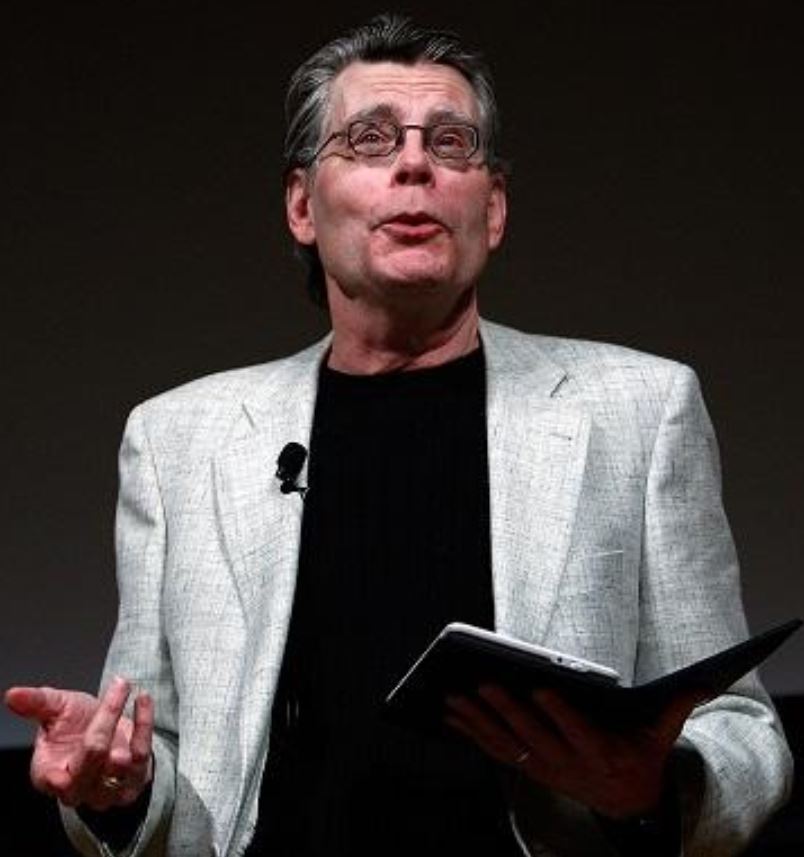
The Master of Horror – Stephen King
“There is a muse, but he’s not going to come fluttering down into your writing room and scatter creative fairy-dust all over your typewriter or computer. He lives in the ground. He’s a basement kind of guy. You have to descend to his level, and once you get down there you have to furnish an apartment for him to live in. You have to do all the grunt labor, in other words, while the muse sits and smokes cigars and admires his bowling trophies and pretends to ignore you. Do you think it’s fair? I think it’s fair. He may not be much to look at, that muse-guy, and he may not be much of a conversationalist, but he’s got inspiration. It’s right that you should do all the work and burn all the mid-night oil, because the guy with the cigar and the little wings has got a bag of magic. There’s stuff in there that can change your life. Believe me, I know.” – Stephen King
Get the other 9 tips here>
The Huffington Post | By Nina Bahadur
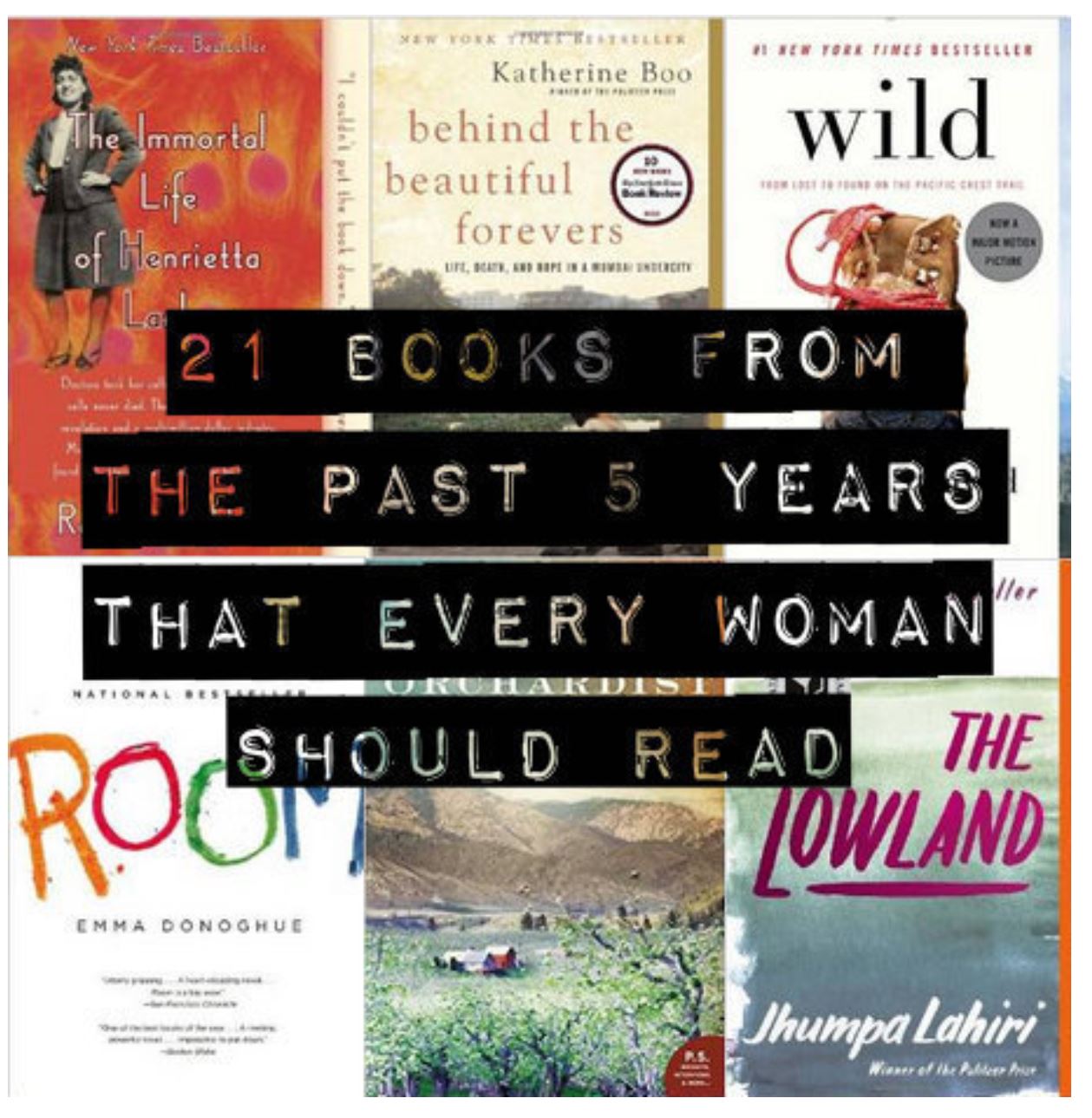
The one struggle of being a woman who reads is that you want to read everything. It’s easy to get overwhelmed by bestseller lists, because there just isn’t enough time in the day to read every hot new book. Between near-constant recommendations of amazing memoirs, new sequels and a terrifyingly long list of bookmarked Internet longreads, it can be stressful to choose what you should pick up next. Knowing which classics you’re missing from your reading repertoire is easy — it’s a little harder to remember what you’ve missed from three years ago.
We’ve done a little bit of the hard work for you (or maybe just increased your book stress… sorry) by pulling together a list of incredible titles from the past few years that you should add to the pile on your bedside table. These books by women are just a few of the incredible titles published recently — an exhaustive list would be hundreds of books longer. Those listed here are some of the most-discussed, thought-provoking and life-changing books from a diverse group of women writers. They make you rethink what being a feminist means, offer life advice to women of all ages, and reinforce your long-held belief that Tina and Amy should be your best friends and life coaches forever. The novels are some of the finest writing from woman authors. From lighthearted memoirs to harrowing thrillers, there’s a genre here for everyone.
Here are 21 books published in the past 5 years that all women should read>
First published by the Huffington Post
I believe that following the rules of writing too closely tends to stifle creativity and sometimes paints the writer into a box. But there are some universal truths to storytelling that all writers should follow to create that viral story.
Pixar Studios, creators of Toy Story 3, A Bug’s Life, Monsters, Inc., Finding Nemo, The Incredibles, Cars, Ratatouille, and a slew other successful animated movies, has 22 rules of successful storytelling that resonate with awesome storytelling. Graphic artist, Emma Coats brought those rules to life in a stunning infographic.


Read with Pride.
#MarriageEquality , #SCOTUS, #takepride, #LoveWins, #LoveHasNoLabels, #PrideMonth2015, #LoveWins, #LoveIsLove, #DecisionDay, #Pride, @OBXpublishing

Writing is my addiction
People are addicted to a lot of different things; I’m addicted to writing.
In fact, I’m so addicted, that I spent my entire career as a writer and newspaper reporter, and later, an editor.
How addicted was I?
So addicted, that when I retired five years ago, I kept right on writing: stories, essays, memoir, and poetry. Once an addict…
Some people keep their addictions down to a reasonable level – after all, if you only indulge a few times a week, or once or twice a month, who’s going to notice?
But I’m not that laid back; I write almost every day. I’ve tried all the usual things, even going cold turkey, but no matter what I do, I always go back to my addiction.
I have one major piece of advice for my fellow addicts; give in. Admit you’re an addict. As the old saying goes, when they give you lemons, make lemonade. For example, here’s a poem I wrote recently about my addiction:
I’ve learned some wise words that I heed
On how a writer can succeed.
Work hard; the formula will prove
The way to get you in the groove.
Distractions woo us from all sides;
Excuses roll in like the tides.
For best results, here’s what I say:
Do some writing every day.
Sit right down and write a sonnet;
Good or bad, don’t dwell upon it.
The lazy man will take a fall,
But enterprise can conquer all.
Or, start a novel, fiction’s fun,
Your words will flow while writing one.
The true joy’s in the work itself,
Not just some book upon a shelf.
It’s lonely staring at a page
That’s white and empty at first stage,
But think how happy you will feel
When your own words are down for real.
One caution, though, and you’ll agree;
Life gives you choices; nothing’s free.
Ideas may sparkle, shine, and gleam,
But work alone, fulfills your dream.
If you’ve finally surrendered to your addiction, and you plan to use it for positive outcomes, here are a few practical tips about starting:

A quiet place with an uncluttered desk helps the creativity flow.
First, find a quiet place to work; successful writers thrive in solitude, away from the distractions of family, the day job and noise, including music. Silence is a friend to ideas, and their development through writing.
Use the best technology available, making sure that you have a comfortable chair, and plenty of light; sore butts and tired eyes are the enemies of creativity. You can write anything, anywhere and any place, but why set up obstacles for yourself?
All right, you say; so far, so good, but what should you write about? Where do you find your subject?
Write about what you know. If you teach, you know about the satisfactions and disappointments of your profession. Your personal history is filled with people, and events. If you are a sales person, you know all about selling yourself, to sell your product; if you’ve been looking for a job, write about that.
What you’ve learned in life can be a source of inspiration for all sorts of fiction, from detective novels to fantasy. If you decide to write poetry, the gamut of emotions and events you’ve experienced will serve you well.
And don’t be put off by comparing your efforts to those of successfully-published writers. Remember, they started from scratch, just like you. They learned how to deal with rejection letters from publishers, and became successful in spite of rejections; in fact, the experience only made them redouble their efforts; it strengthened their determination.
Once you’ve settled on a topic (Let’s say, for example, you decide to write a short story about your five-year-old’s first day at kindergarten), Stay on topic!
Many new writers get distracted by side issues. You’re writing about your kid; what happened, what he did, what he felt. Don’t start inserting your opinions about the state of education in the United States, or go off on a rant about the relative virtues of home schooling, or go completely nuts, and start writing about a totally unrelated subject.
Dozens of style guides are available, and many of them give conflicting advice. New writers are often confused and discouraged after reading some of them.
Here’s my advice, based on decades of experience:
Keep it simple. That means, use short, declarative sentences and the simplest words you can find to adequately describe a scene or situation. Where possible, stick to nouns and verbs; nothing messes up a narrative more than strings of adjectives and adverbs.
The whole point of writing is communication. Whether you are writing fiction, or reporting a news event, the aim is to let the reader know what he needs to know, as economically as possible. If you adhere to this, the story will almost tell itself.
A lot has been written about “voice”; has the writer found it, does he have a genuine one, what are the nuances of his “voice,” what is his “voice” trying to convey? Does it succeed?
Pundits on all things literary, like to freight “voice” with semi-mystical qualities, and use it to rank writers to make pronouncements about their chances of immortality.
I’ll let you in on a little secret; everyone has a “voice.” Some are pleasant, some not; some, gentle; some sharp. A writer’s voice is nothing more, or less, than the way he or she puts words on the page; if the voice is clear, you’ll understand what he or she is saying, and enjoy the way he or she says it.
One reason why new writers fail is their misunderstanding of what they are trying to do. If you approach writing as a hobby, something you spare half an hour for when you’re not mowing the lawn, or catching a football game on TV, you’ll fail.
No matter how creative you are, no matter how well you write, always keep one thing in mind; like anything else in life that’s worth doing, successful writing takes hard work, and requires commitment.
Every writer worth his salt has a routine which he follows religiously. It doesn’t matter how you arrive at that routine; without it, you’ll just be wasting your time, and anything you produce will show it.
Carve out a block of time each day when you’re most rested and alert. If you’ve paid attention to me so far, you’ve already set up a place to work, and have the tools you need ready at hand.
Before I forget: Solitude is the writer’s best friend; turn off the TV; Shut off the music; have your partner take the kids to the playground; let the robot answer the phone; ignore the doorbell.
Once you’ve established your routine, you have to decide how many hours to devote to your writing. The maximum time to stay focused on a task varies from individual to individual. You’ll have to experiment to discover what that time is for you.
Nothing is more crazy-making than forcing yourself to stay at a job past your ability to perform it well. That’s why airplane pilots, who perform potentially life-endangering jobs, have limits placed on the number of hours they’re allowed to fly.
How will you know when you’ve reached your limit? When you start to squirm in your chair, when your mind starts to wander, when your neck starts to hurt, it’s time to stop and do something else.
Go in the kitchen and make some coffee; take the dog for a walk around the block; or, if you need more than a fifteen minute break, shut off the computer and walk away. When you return to your desk later, or even better, the next day, you’ll be refreshed and ready to go again.
And one more thing: writing is a job that requires work, but work is supposed to be rewarding. Work is not a synonym for torture or drudgery. If you equate writing with those words, then it’s not for you, but if you find pleasure in telling a story well; if you love words, and their power, than sit right down and start to write.
What are you waiting for?
Marc Leavitt is a retired newspaper reporter and editor. These days, he writes poetry on, Marc Leavitt’s Blog, at:
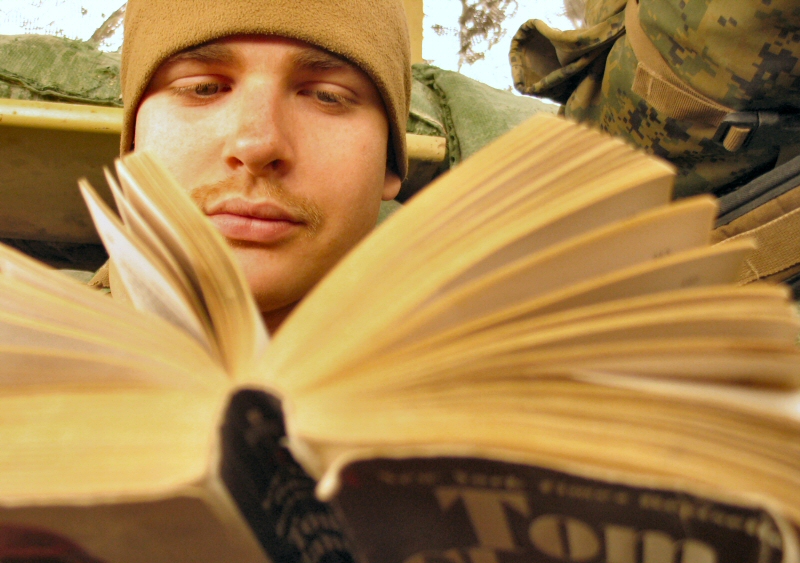
image by Jayel Aheram, StressedTechnician
By Nate Hoffelder from Ink, bits & Pixels
Earlier today I posted an argument against authors writing for shorter attention spans. I argued that attention spans weren’t actually getting shorter; instead, readers will stick with a book which interests them no matter the interruption. I still think that is a good argument, but it’s not the only one I could make. An article… Read More »

Publisher’s Note: Kara Cronin a contributor to Elite Daily and Gen Y’er put this list together of 10 books Millennials should read this year. Call it your 2015 book reading bucket list.
By Kara Cronin
As a single, adventurous 20-something, I have found books to be the greatest companion and reading to be the best escape from my current reality: Job searching, Netflix and constantly attempting to navigate the balance of being a fun, carefree postgrad and a serious young professional.
I have found comfort in plopping myself down at a coffeeshop, opening a good book and escaping to an alternate universe where I can forget about my troubles and spend time acquainting myself with fictional characters.
When I find a book in which the words on the pages come to life, I know I’ve found a keeper.
Something about experiencing the characters’ ups and downs alongside them makes me feel connected, like I’m getting to go on their adventures with them.
In attempt to help my fellow Millennials add a little spice to their lives while expanding their minds, I put together a reading list of my 10 favorite reads from the past year.
These books will make you laugh, cry, smile and question. Click here to see Kara’s list>
Jennifer Lawrence, Jon Hamm, James Franco and 9 others reveal the books that made a difference in their lives
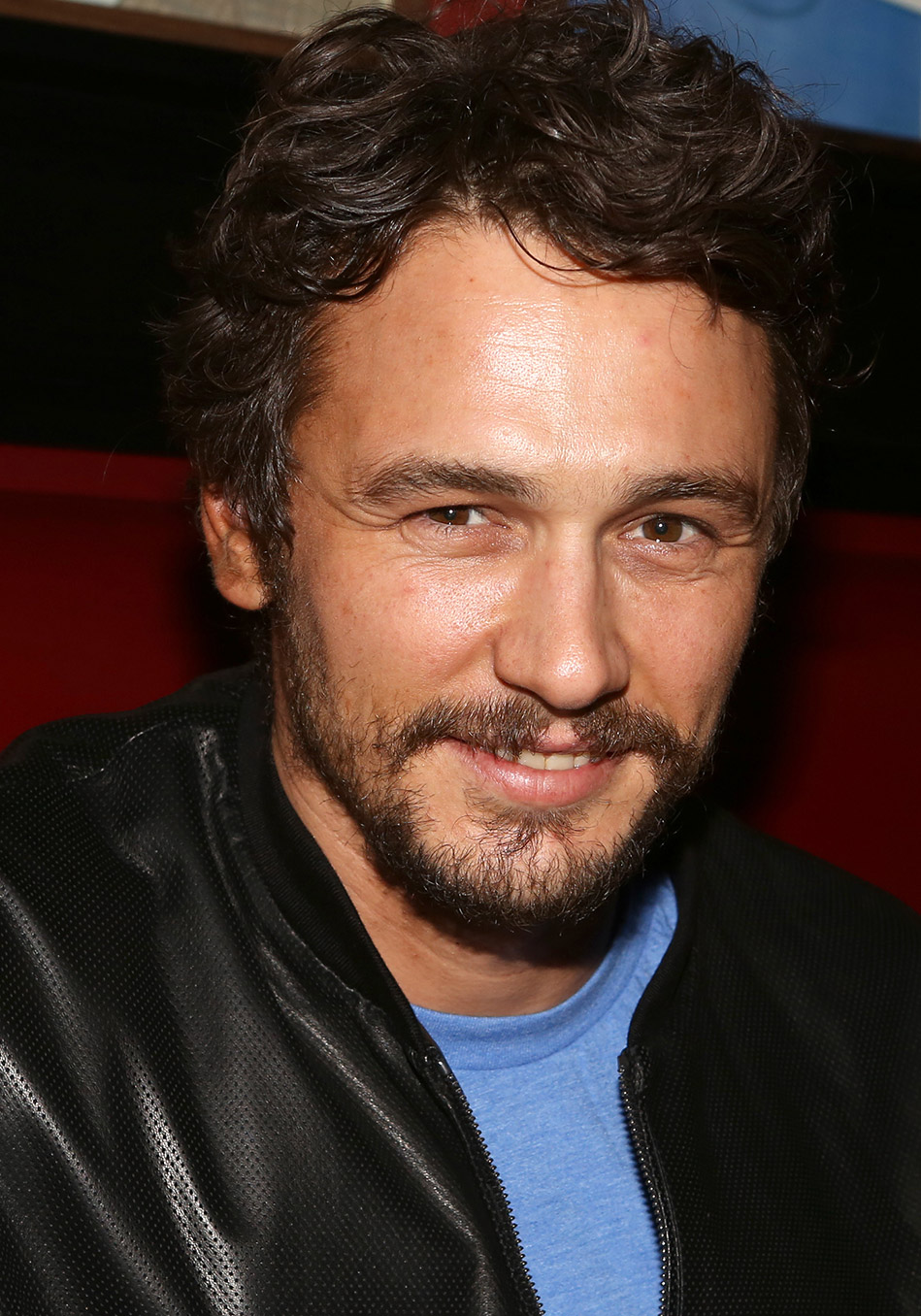
Photo: Walter McBride / Getty Entertainment
James Franco
“My father gave me this book when I was getting into trouble in high school,” says Franco, whose story collection, Palo Alto, focuses on several delinquent teens, including one on probation for drunk driving. “I was spending a lot of time alone at home,” he continues, “and that’s when I really started reading.”
Read more about the other celebrities.
Related articles

Gretchen Rubin – Photo Credit: David Cross
By Gretchen Rubin, author of The Happiness Project, is back with Better Than Before: Mastering the Habits of Our Everyday Lives. Here, Rubin shares 10 tips for becoming a better reader.
Reading is an essential part of my work, it’s an important aspect of my social life, and most importantly, it’s my favorite thing to do. I’m not a well-rounded person.
But reading takes time, and most days, I can’t read as much as I’d like. As I was writing Better Than Before, my book about habit change, I adopted many new habits to help me get more good reading done. Consider whether these habits might work for you – click here to read the rest of the story.
Ok, so what is a Watty? You’ve watched the Oscars. You know what an Oscar is.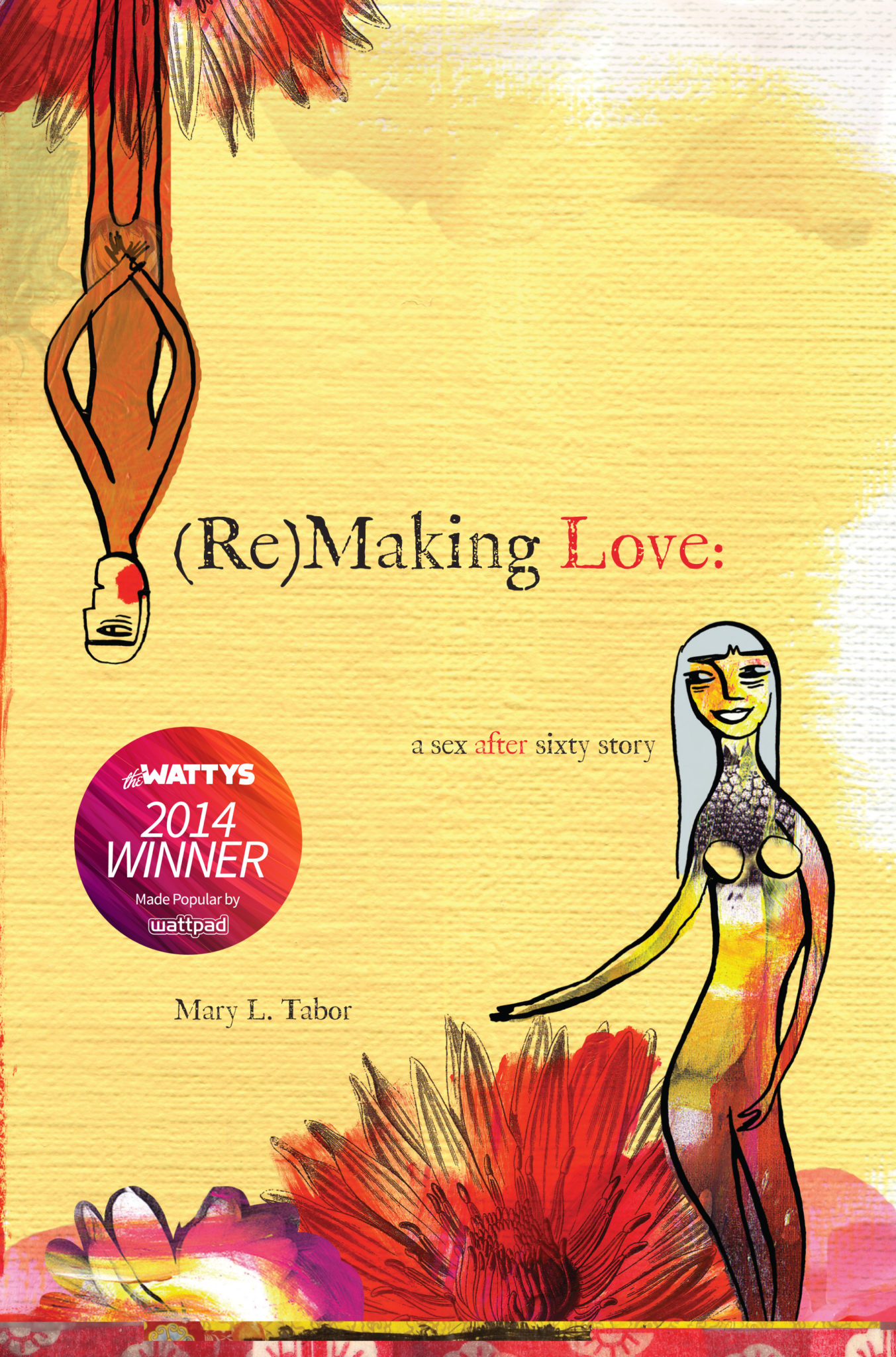 What, pray tell, is a Watty?
The Wattys are Wattpad’s official annual awards that celebrate the best in digital storytelling. Be it fanfiction, romance, urban, sci-fi, poetry, or short stories, we acknowledge stories of all genres and styles.

If you vote for Trump and his MAGA GOP members you may indirectly start World War III.
If Trump and his MAGA GOP take control of our Congress, they will cut off support for Ukraine. They already cut support on the advice of Trump when the Congress was ready to approve the spending bill with support for Ukraine.
What will happen next?
said Larry Jacobs, director of the Center for the Study of Politics and Governance at the University of Minnesota. “This is supposed to be the party of conservative principles, of tradition, of respect for customs and rules that make society governable.
“The idea that the law does not apply to Republicans is something that has now become part of the mainstream of the Republican party. We see it in terms of the approach to elections. We see it in terms of the treatment of immigrants. Some of the actions with regard to abortion may approach that level. The Republican party appears to consider the law and the constitution to be optional and to have lost legitimacy.”
From The Guardian
Republicans’ lawless leaders at odds with midterm law and order message | Republicans | The Guardian
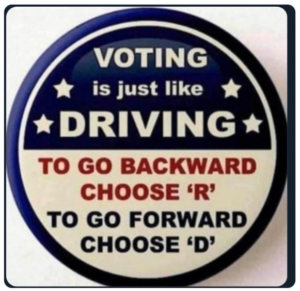
If you vote Republican you are supporting:
– 19 GOP red states have pending laws suppressing voter’s ability to vote. Historically, dictators and Fascists have suppressed votes to stay in power.
– The GOP has come out in support of QAnon, The Oath Keepers and the Proud Boys
– You may lose a loved one, a relative or a friend in a train crash, a bridge collapse or a plane crash as Republicans strip funds from President Biden’s infrastructure bill.
– The Texas abortion ban if left to stand will be passed in several other GOP states. Idaho will pass an anti-abortion law based on the Texas law. 16 states have “trigger” abortion ban laws.
by the US Supreme Court.
https://cnn.it/3RaW1zm
https://nyti.ms/3IcANNo
With the recent Supreme Court banning EPA authority from polluters
https://bit.ly/3IfQ1Bf
on Gun Purchases – will never get passed.
Watch Jimmy Kimmel’s emotional plea to improve gun purchase background checks
https://cnn.it/3AnRweO
– will never go up leaving 18 states still paying $7.25 an hour.
– the last thing America needs are conservative leaders, especially some Republicans who want to keep America from progressing. The last thing America needs is backward-thinking leaders in the 21st Century.
– Republicans have turned to cheating to stay in power or to get back into power…and nothing is getting done by them for the American people.
The enforcement or advocacy of strict obedience to authority at the expense of personal freedom.
and everything America stands for: Truth, Justice and Liberty for all? Look what is happening in Ukraine.
*Of course, not all Republicans are like those described above. Here is a list of those who should stay in office.
House of Representatives – those who voted to impeach the former president
Senate – The Republicans who voted to convict the former president after impeachment:
YOUR VOTE COUNTS. It’s a lie to think otherwise.
Paid for by Jake Stone for American Democracy
VOTE like your freedom depended on it…because it does.


 Books of the NY Times


